What I Built By 25
I'd Been Building By 22
I turned 25 today, on August 10th.
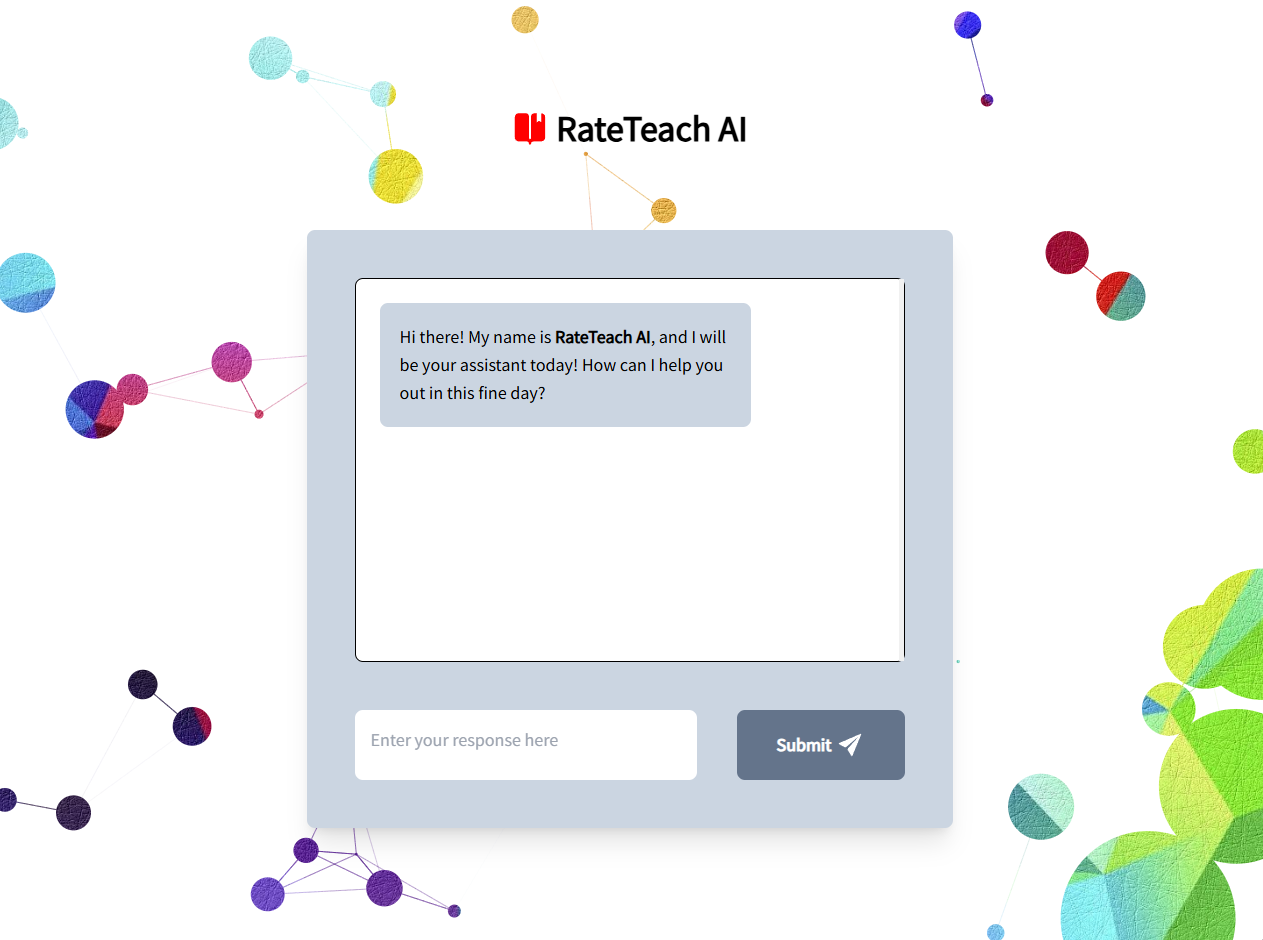
By 22, I had already built software for 6 years before making the pivot to implementing AI through the Headstarter program, which I participated in from July 2024 to September 2024. During that same period, I built IncludiTrip, an itinerary generator that provides recommendations for people with disabilities, along with information for accessibillity resources they can use. I also built RateTeach AI, a chatbot that relies on an external database of information to tailor its responses to specific questions a user asks.

In late 2025, I started building the prototype for JALE (Job Automation & Logistics Engine), which originally started as a content management system meant to make updating my website content, such as my education and work experience, easier without having to go into the codebase and manually making the changes myself. Eventually, in early 2026, I decided to shift my prototype CMS into one that would focus entirely on project management, along with integrating AI that will measure a user's performance, in addition to tracking inconsistencies in their amount of hours worked.
Founding The Studio With Nothing
This same year, at the age of 24, I founded Ruben Arevalo AI & Software Studio. Now, before I elaborate further, I want to admit something honest, and it's something that those who have been reading my articles should take into account, especially those who are starting their first business venture. None of it was funded, and I had no clientele to begin with. In startup culture, it is often expected for first time founders to have a huge budget and a team of brilliant individuals to help them carry out their vision. For me, I deviated from every single one of those norms. Why?
Why I Deviated from Every Startup Norm
The reason comes down to two main points. One, I already knew what I wanted. I want to build AI that revolves around human-in-the-loop practices (read the article here). Sure, there are AI tools out there that have the same concept implemented, but it's not built in the way I want to build it. My vision is responsible AI that can eventually do the work confidently on its own, while remaining compliant with regulations set by the state and hopefully, in the future, by the federal government. For instance, if it's going to analyze confidential information, such as payroll data, the person in charge of doing the payroll should decide whether to let the AI do their work for them, or deny the request and have it just save the spreadsheet for them to manually analyze the data.
Two, there is a real risk and danger that startups fail. As of August 2026, in an article published by Om Patel, the founder of BigIdeasDB, the three most common reasons why they fail as cited across their acquisition-listing data are attention collapse (a founder loses interest and/or something else pulls them towards that direction, which causes the product to decay over time), unmeasured retention (failing to account for whether customers actually stay and continue using the product), and customer concentration (only few customers that pay, where losing even one of them can result in significant revenue loss).
As valid as these reasons are, there are other ways where a startup can fail. Based on findings from an August 2011 report by Startup Genome, 74% of startups fail as a result of scaling early when the foundations don't exist yet, otherwise known as premature scaling. This also applies to hiring, spending, or expanding before the business has an opportunity to scale properly in the first place. Despite the report being 15 years old at the time of writing this piece, the same idea still applies: if startups scale sooner than expected, there is a high likelihood that they'll fail, either through poor planning, timing, a lack of resources, or a combination of the three.
It's very easy to fall in those traps, given that ambition usually plays a role in wanting to scale right away, when in reality, it's far from necessary. If you build alone and lose focus of your vision, so does your product's visibility. If you scale or build too fast, it's premature scaling, plain and simple. Both are traps that I have to avoid.
Where My Studio Currently Stands
How does this present itself in the actual progress and stage of my studio? Let me break it down:
- I never secured funding, nor did I hire people to help me out: In the early stages, I didn't have the network or the budget to bring people in. Instead, I relied on what I knew, did my own research on how to scale properly, and decided when it was time to announce products that are in the works, such as JALE and BENNY. It wasn't because I didn't trust outside perspective; I simply didn't have access to it. I had to make the calls myself, even the ones that I wasn't entirely sure about but had to make a leap of faith regardless. That's starting to change. As the studio grows, I am now thinking about who to bring in next, because I want to give right kind of people the opportunity to be part of a magnificent project that will positively impact businesses and individuals for years to come, not just an opportunity to list on a resume.
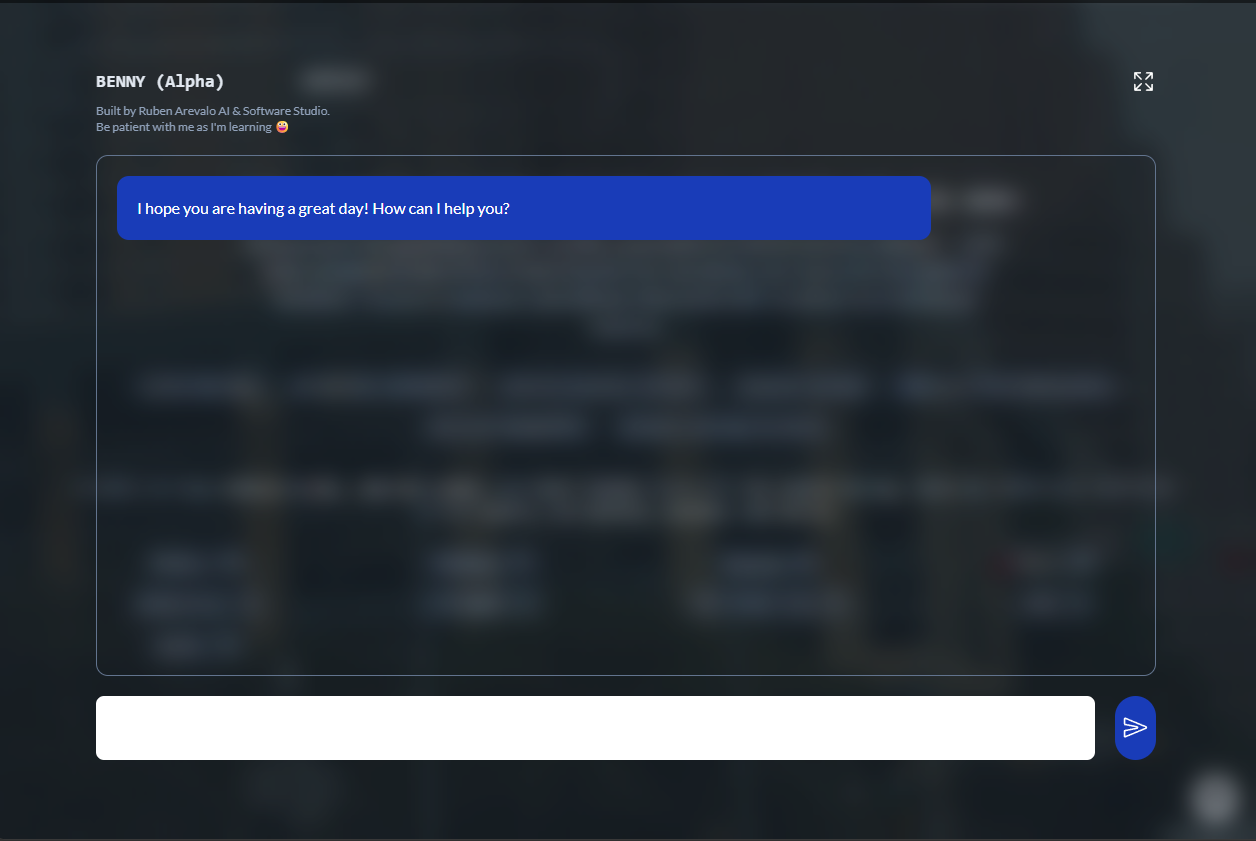
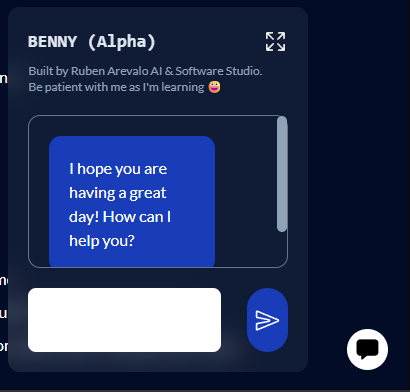
- BENNY on alpha: Early this month, I decided to release BENNY on alpha, four days before I turned 25. Currently, it's not finished, and I won't pretend it is. As I stated in one of my previous articles, BENNY is not an AI agent yet in the sense that it lacks the autonomy to perform tasks confidently to the best of its ability, only consisting of if-else statements at the moment. I built the prototype using the same process as I am currently doing with JALE: no funding, no team, and testing it against real scenarios before actually announcing that it's ready to go. For those who are not familiar, alpha means that the version is still a prototype that can break, and feedback is critical for this part of the process to further improve it before transitioning it to beta. That's exactly what BENNY states: "Be patient with me as I'm learning 😀"
- The cost of working solo: While working alone has allowed me to gain deeper insights into my work, I also learned where my limits truly lie. I'd be lying if I said I never experienced stress. As any other startup founder, working solo has opened me to a risk of burnout. Based on findings from an analysis by Sifted in February 2025, 54% of startup founders have experienced burnout in the past year, with 46% saying that their mental health has taken a turn for the worse, and 75% saying they experienced anxiety in the same period. I had nights where I was beginning to doubt whether the articles I've been writing, from TRAIGA to discussing about SEO, GEO, and AIO, have been worth the stress. I was also sometimes questioning whether JALE would evolve into something more than a prototype. Regardless, I keep going knowing full well that it takes time to build these products, and that patience is key to a high-quality one.
I have turned 25. I have no funding, no team (yet), a prototype that can break at any moment, and a studio I built from scratch. I wouldn't trade anything else for it. But I always follow the same philosophy: research, analyze, know when to act, share with anyone interested in my work, and always stay in the loop about current events, especially when it comes to software development and AI.
What's Next
I want to share for those reading: you don't need to join or apply for a Y Combinator startup when in reality, you can build something of your own without needing outside funding or a team unless you are ready. Make your own resources and share them; don't restrict them.
The next few months will be some of, if not, the most important of my career, and once I've made my decisions, there is no turning back. There's work to do, but I am always ready for a challenge.
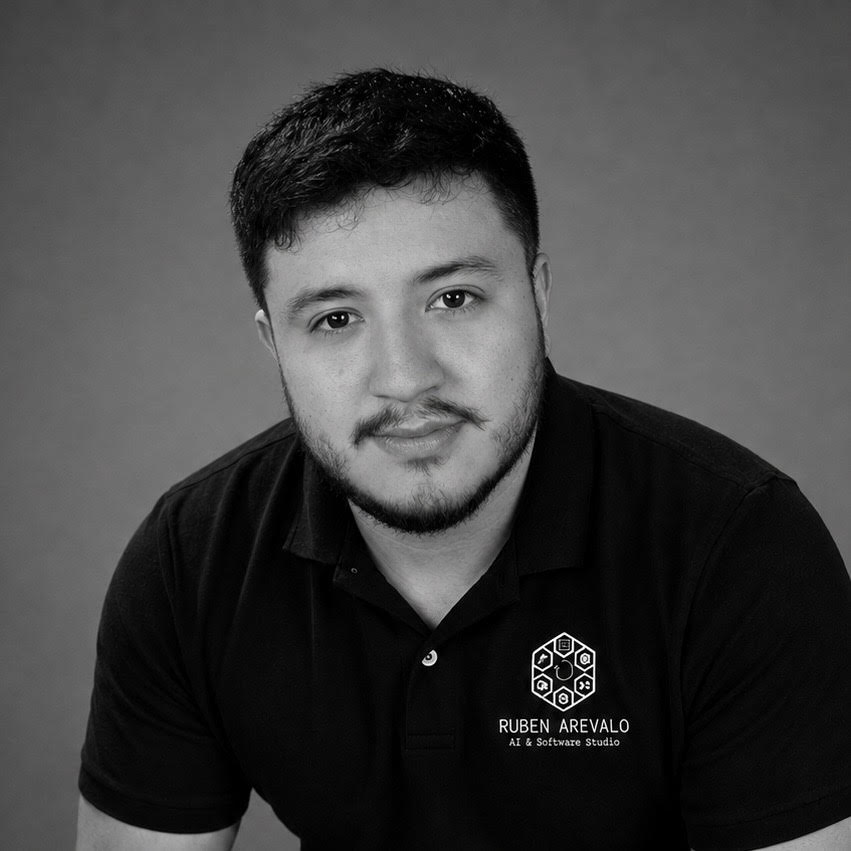
Ruben Christopher Arevalo
Software Engineer & Founder · Ruben Arevalo AI & Software Studio
Software engineer with 9+ years of experience, building custom AI systems, web applications, and internal business software for businesses in the Rio Grande Valley and across Texas.
Learn more about RubenBENNY
AlphaAI Technical Consultant
Built by Ruben Arevalo AI & Software Studio. BENNY can help explore technical options, but Ruben reviews project scope, pricing, timelines, and acceptance.