I build software by understanding the system behind the problem.
I'm Ruben Arevalo, a software engineer and founder of Ruben Arevalo AI & Software Studio in McAllen, Texas.
My work focuses on custom software, internal business systems, workflow automation, and applied AI. I approach each project by first understanding the people, data, decisions, and operational rules the software has to support.
The code matters. The system around it matters more.
Professional software work changed the way I think about development. A feature can work perfectly in isolation and still fail if it ignores the workflow, the data, the people, or the business rules around it.
Understand the workflow first
The technology comes after understanding what people actually do, where information moves, and where the process breaks down.
Architecture should remain understandable
A system has to survive future changes. Clear responsibilities, data models, validation, and boundaries matter as much as the interface.
AI needs boundaries
I use AI where reasoning or language provides a practical advantage while keeping important approvals and high-impact decisions under human control.
Software should solve operational problems
The goal is not to add technology for its own sake. It is to reduce friction, improve visibility, and make important workflows easier to operate.
Before I understood software, I wanted to understand how it worked.
I grew up in McAllen and the Rio Grande Valley. Long before programming became my career, I was interested in how the software behind websites, applications, and computer systems actually worked.
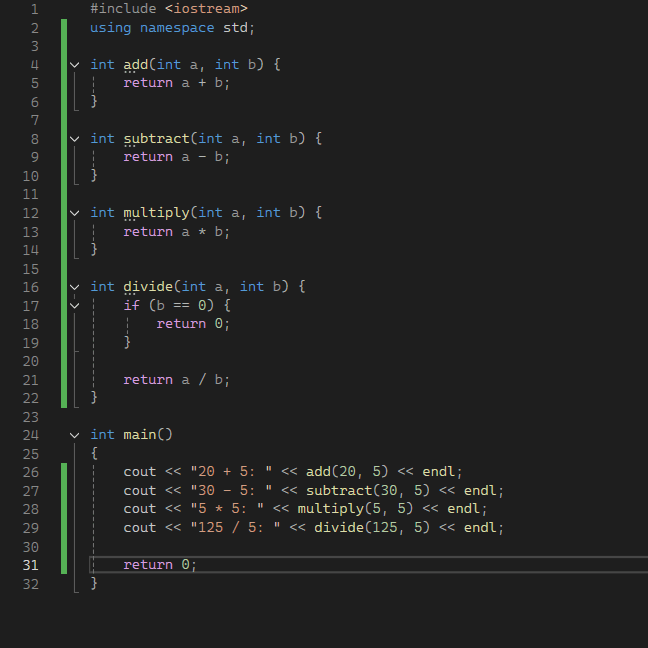
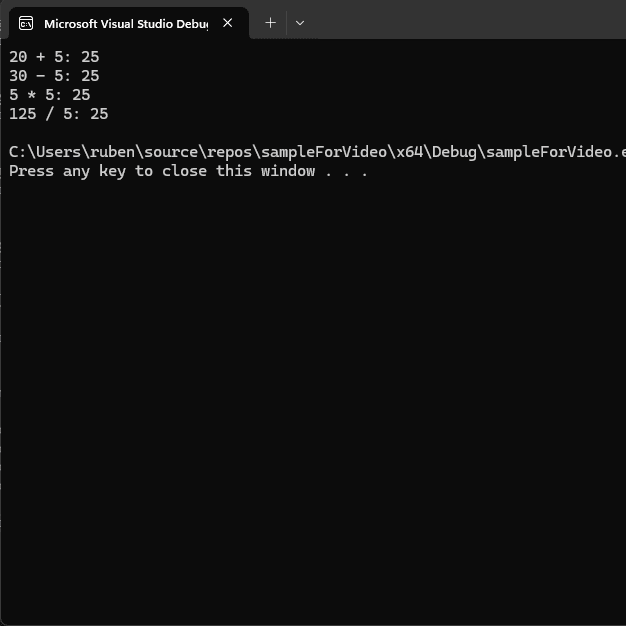
That curiosity became concrete when I began studying computer science and wrote my first C++ program. Seeing a program respond exactly to the logic I had written changed software from something I consumed into something I could reason about and build.
“How are websites made? How do applications and computer programs become systems people depend on?”
From learning syntax to engineering real systems
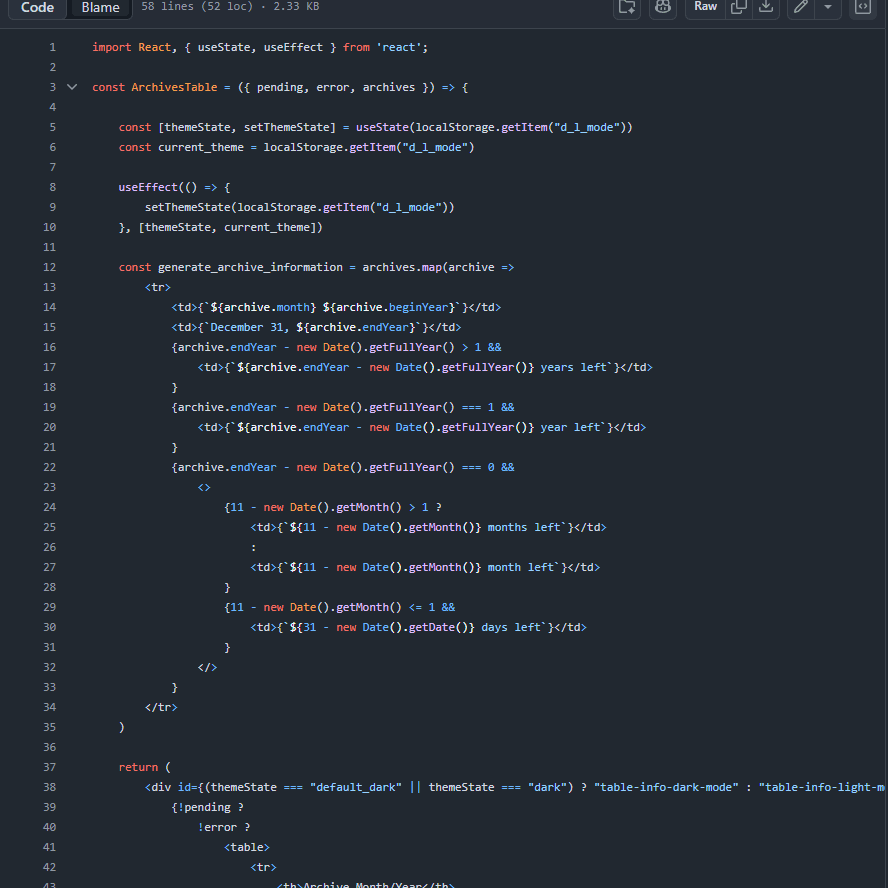
My path into software was not one straight jump from school into industry. Each stage changed what I understood about programming, engineering, collaboration, and the way software behaves outside a classroom.
Learning to think in software
I wrote my first C++ program while studying computer science through dual enrollment. What interested me most was realizing that software behavior could be broken into logic, conditions, data, and repeatable steps.
Associate degree before university
I graduated from Achieve Early College High School while also completing an Associate of Science in Computer Science at South Texas College.
From programming to systems
I earned my Bachelor of Science in Computer Engineering from the University of Texas Rio Grande Valley, building a broader foundation across software, computer systems, engineering, and architecture.
Building with a development team
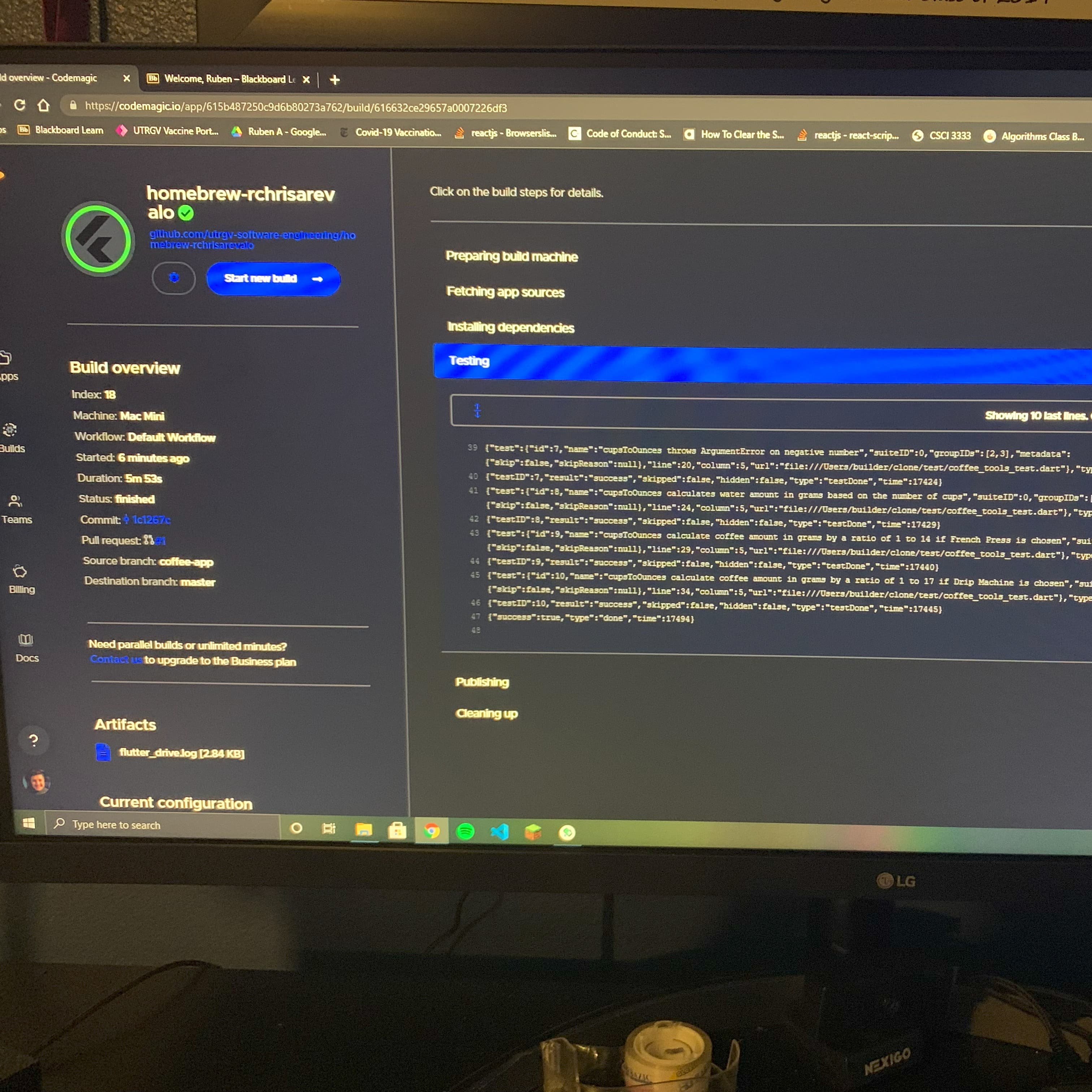
As a Headstarter AI Software Engineering Fellow, I worked through collaborative software projects, deadlines, product development, and applied AI alongside other developers.
Software for real operations
Professional software work shifted my perspective from simply building features to understanding workflows, users, business rules, failure cases, maintainability, and the operational consequences of software decisions.
Computer Engineering widened the problem beyond the code.
I attended the University of Texas Rio Grande Valley from 2019 through 2023 and earned a Bachelor of Science in Computer Engineering.
The experience expanded my perspective from programming into systems: how software interacts with data, architecture, hardware, testing, constraints, and the engineering decisions underneath a finished product.
My senior design work also reinforced something that still influences my approach today: software has to function as part of a larger system, not simply pass as an isolated piece of code.
The period after graduation changed how I think about growth.
Breaking into software after graduating in 2023 took much longer than I expected. The job search included rejection, stalled opportunities, and a technology market that had become considerably more competitive.
Instead of treating that period as dead time, I kept building. In 2024 I joined the Headstarter AI Software Engineering Fellowship, where I worked with other developers on software projects and gained more practical experience with collaboration, deadlines, and product development.
That experience helped bridge the gap between academic engineering and professional software work. It also made one lesson much clearer: progress in engineering comes from continuing to build, examine mistakes, and improve the systems around the code.
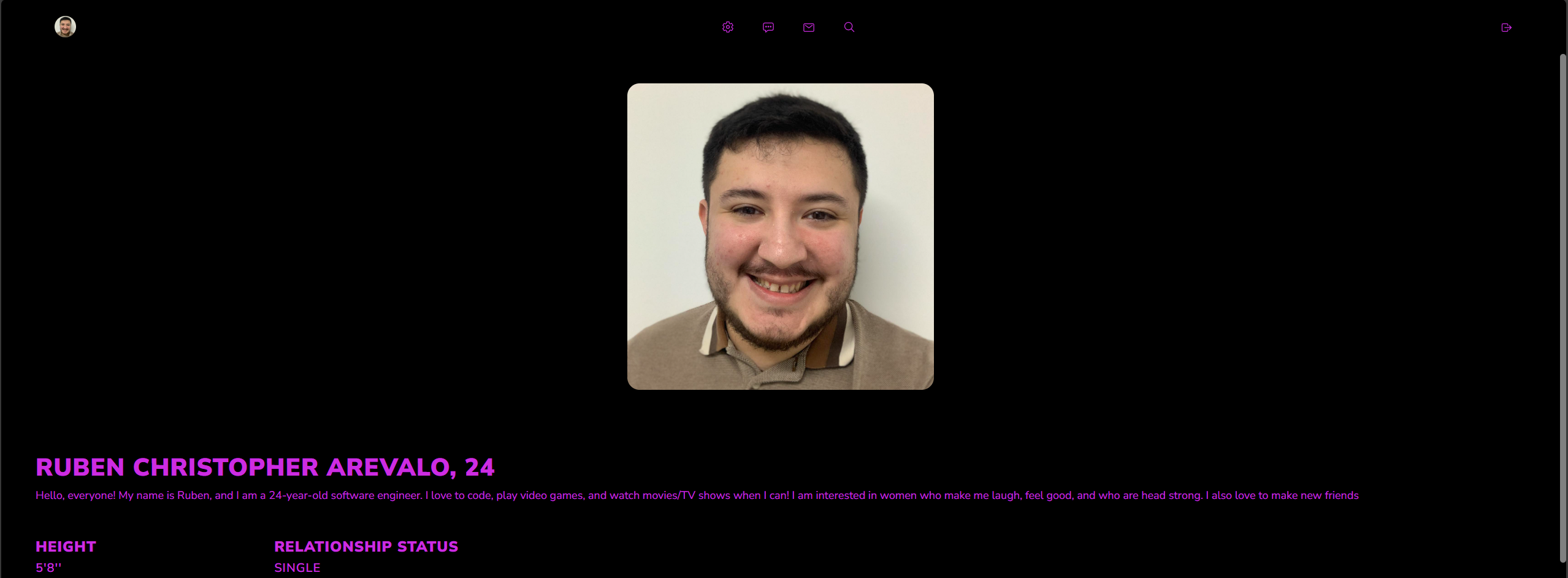

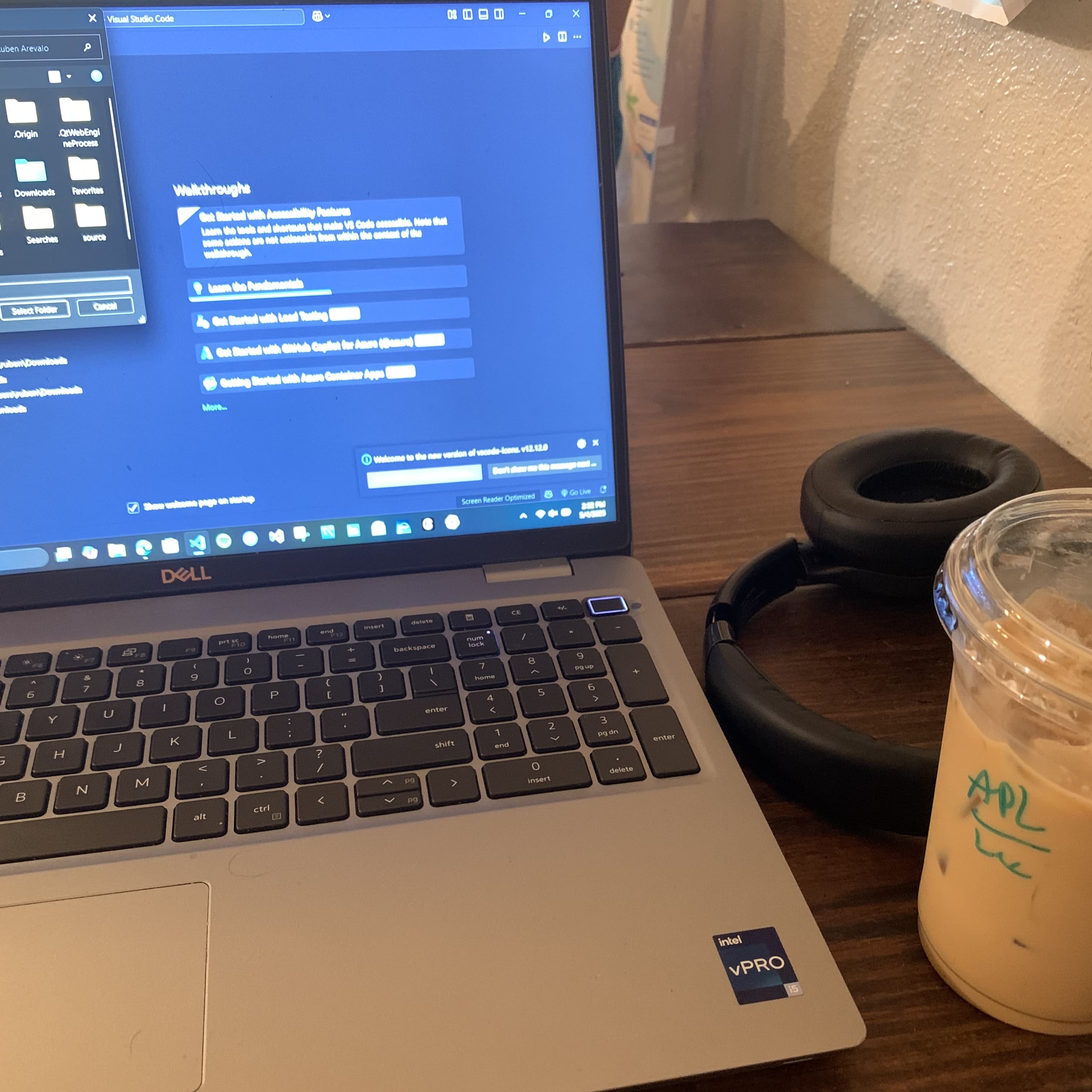
Today, I am building the kind of systems I once wondered how to create.
My work today spans full-stack software development, internal business systems, workflow automation, and applied AI.
Ruben Arevalo AI & Software Studio grew out of that progression. It gives me a place to apply engineering judgment directly to business problems while continuing to build, document, and write about what I learn.
The goal has remained surprisingly consistent since my first programs: understand how the system works, identify where it can be better, and build the software deliberately.
I write about the engineering decisions behind the technology.
The studio blog is where I document what I'm learning, challenge terminology that gets overused, and examine how software, AI, business operations, and technology policy affect real systems.
"AI Agent" Is An Overused Term. It's Something Else.
Why autonomy, orchestration, tool use, and human control matter when deciding whether a system is actually agentic.
Read Article →GEO Is Not About SEO Points. It's About Proving You're Real.
Why identity, evidence, first-hand expertise, and a consistent digital footprint matter more than chasing AI-search tricks.
Read Article →Who I Build For: Founders
How I think about architecture, technical decisions, and building software that can survive beyond its first version.
Read Article →I build software around the workflow, the data, and the people using it.
Through Ruben Arevalo AI & Software Studio, I design custom software, AI automation, and internal business systems for organizations in McAllen, the Rio Grande Valley, and across Texas. The process starts by understanding how the work actually gets done before deciding what technology belongs in it.
Custom software built around the way the business actually works.
I design and build web applications and software systems around real workflows, business rules, users, and data instead of forcing operations into a generic template.
Explore Custom Development →AI automation where it adds measurable value.
I build AI-assisted workflows, integrations, and intelligent systems with defined responsibilities, reliable data, validation, and human oversight where it matters.
Explore AI Automation →Internal software designed around everyday operations.
I build dashboards, workflow tools, reporting systems, and internal business software that reduce repetitive work and connect processes that should not remain fragmented.
Explore Internal Software →